
Resources
Renting with pets: the rules landlords keep getting wrong
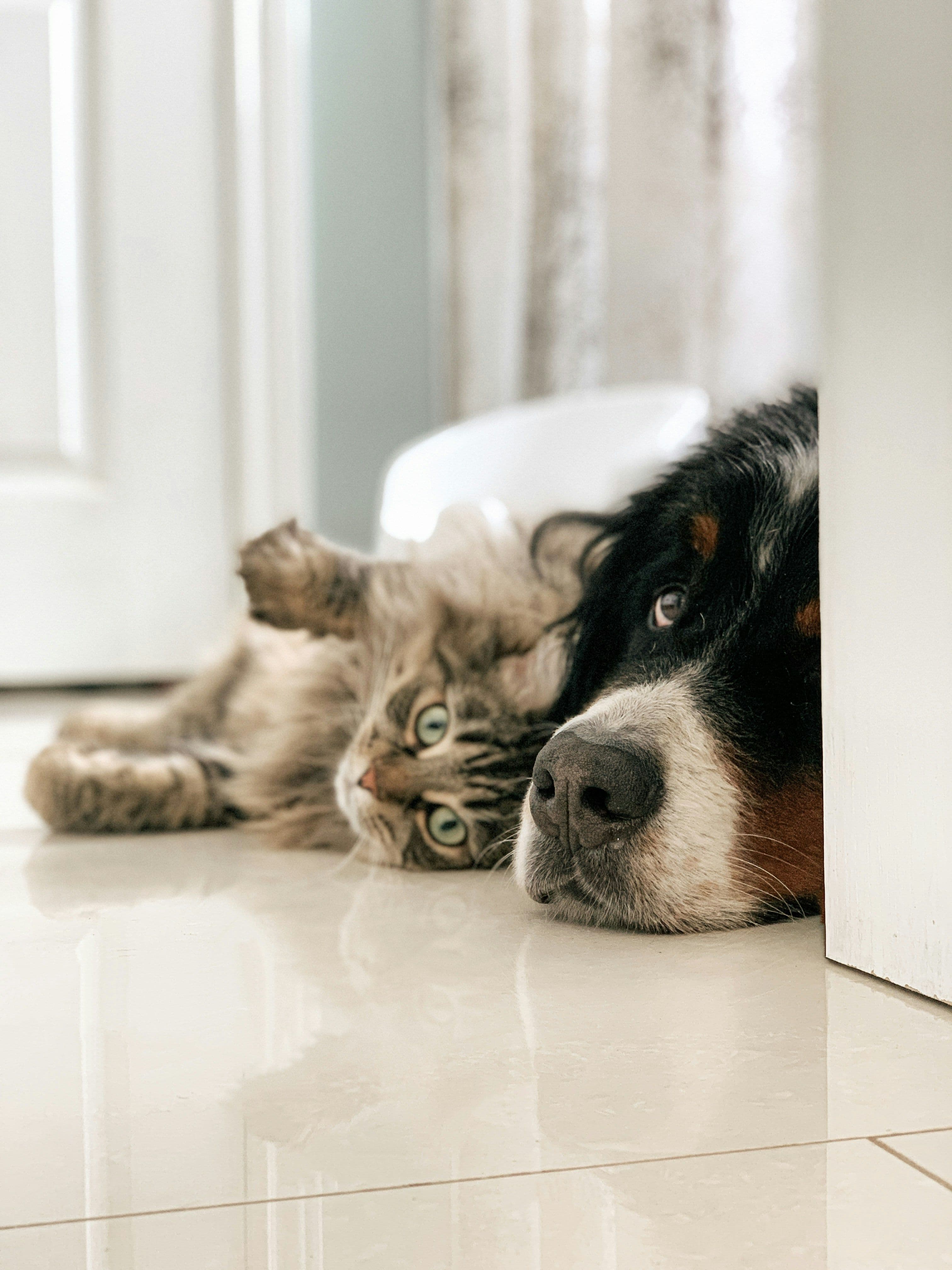
Since 1st May 2026, tenants in England have had a legal right to ask to keep a pet, and landlords cannot refuse without a reasonable reason. That much is well known. What is less well known, even among some paid-for landlord template services, is exactly how the process works day to day. Reports have surfaced of guidance quoting the wrong response deadline, and confusion still circulates online about whether landlords can charge extra for pet-owning tenants. Here is what the rules actually say, sorted from what is fact and what is myth.
The request has to be in writing, and so does your answer
A pet request is not valid just because a tenant mentions it in passing at a viewing or drops it into a phone call. Under the Act, the tenant must put the request in writing, describing the animal, for example its type, breed and size. Your response, whether you are granting or refusing, must also be in writing. Verbal agreements or refusals leave both sides exposed if a dispute arises later, so get everything on paper or email from the start.
The 28-day deadline is not negotiable
This is the detail worth getting exactly right. You have 28 days from the date of a written request to respond in writing. Miss that window and the request is treated as automatically granted, whether or not you ever intended to say yes. There is no grace period.
The deadline can only be extended in two specific situations. If you ask the tenant for more information about the pet, the clock pauses and restarts, giving you either the remainder of the original 28 days or an extra 7 days, whichever is later, up to a maximum of 35 days. If you need permission from a superior landlord or freeholder, and you apply for it within the original 28 days, you can wait until 7 days after they respond. Outside of those two scenarios, 28 days is the limit. Some guidance circulating online quotes 42 days, which is simply wrong and could cost you the right to refuse a pet you had genuine grounds to say no to.
What actually counts as a reasonable refusal
You do not have to accept every pet request. Reasonable grounds for refusal include:
- The property is genuinely unsuitable, for example a small flat with no outdoor access for a large dog.
- A superior lease or freeholder's terms prohibit pets, which applies to many leasehold flats.
- You let a house in multiple occupation and another tenant has a genuine allergy or objection, or there is not enough shared space.
- The animal itself is illegal to keep, such as a banned dog breed.
What will not stand up as a reasonable refusal is a general dislike of pets, a blanket no-pets clause in your tenancy agreement, worries about reletting the property in future, or a bad experience with a previous tenant's pet. Assistance and service animals must always be permitted and cannot be refused on any grounds.
Paws for thought: no, you cannot charge extra for a pet
This is where a lot of confusion sits. Earlier drafts of the legislation considered allowing landlords to charge a separate pet damage deposit, worth up to three weeks' rent on top of the standard deposit, and to require tenants to take out pet damage insurance. Landlord groups pushed hard for both. Neither made it into the final Act. The Government's position was that the standard five-week deposit, set by the Tenant Fees Act 2019, is sufficient to cover reasonable pet damage.
In practice, this means you cannot charge a pet deposit, a one-off pet fee, or higher rent because a tenant has a pet, and you cannot make pet insurance a condition of granting consent. Doing so is a breach of the Tenant Fees Act and could leave you facing a penalty on top of having to repay the charge. If damage does occur, your options are the standard deposit, provided you have clear evidence of the property's condition before and after, or your own landlord insurance policy. You cannot claim for the same damage through both routes.
Leasehold and shared houses need extra care
If you are a leaseholder letting out a flat, you are not required to put yourself in breach of your head lease. If the freeholder's terms prohibit pets, or require their separate consent, that is a valid reason to refuse, or to make your own consent conditional on theirs. For HMOs, consider the practical impact on other tenants sharing the property, but be ready to show your reasoning if challenged. A vague sense that a pet might cause friction is not enough on its own.
What if a tenant gets a pet without asking first
A tenant who keeps a pet without going through the request process is in breach of their tenancy agreement. This does not automatically entitle you to evict them. You would need to pursue a Section 8 notice on the relevant ground, and the court retains discretion over whether to grant possession, weighing up factors such as whether the pet is causing genuine harm or nuisance. It is far simpler for everyone if requests go through the proper written process from the start, so make sure your tenants know how to make one.
A quick checklist for handling a request
- Ask the tenant to confirm the request in writing, with details of the animal.
- Diarise the 28-day deadline the moment you receive it.
- If you need more detail or a superior landlord's consent, request it promptly and keep a record of when you asked.
- Assess the request against genuine, property-specific reasons, not personal preference.
- Respond in writing before the deadline, whether granting or refusing, and explain your reasoning if you refuse.
- Update your records and inventory so the property's condition is clearly documented before the pet moves in.
The bottom line
The direction of travel is clear: blanket no-pets policies are gone, and tenants have a genuine, enforceable right to ask. But the rules are precise, particularly around timing, and getting them wrong by relying on outdated or incorrect guidance can cost you the right to refuse a request you might otherwise have had good grounds to turn down. When in doubt, check the current GOV.UK guidance directly rather than a template that may not have been updated.
Let someone else keep track of the deadlines
Keeping on top of every compliance deadline, from pet requests to rent reviews, is exactly the kind of admin that eats into a landlord's time. Moovehub's fully managed service handles tenant communication and compliance on your behalf, so nothing slips through the cracks. Prefer to manage day to day yourself? Our tenant find service gets the right tenant in place from the outset, for a flat fee.
Posted by

Bailey
Senior Treats Analyst
Sunday, 5 July 2026