
Awaab's Law: what it means for private landlords
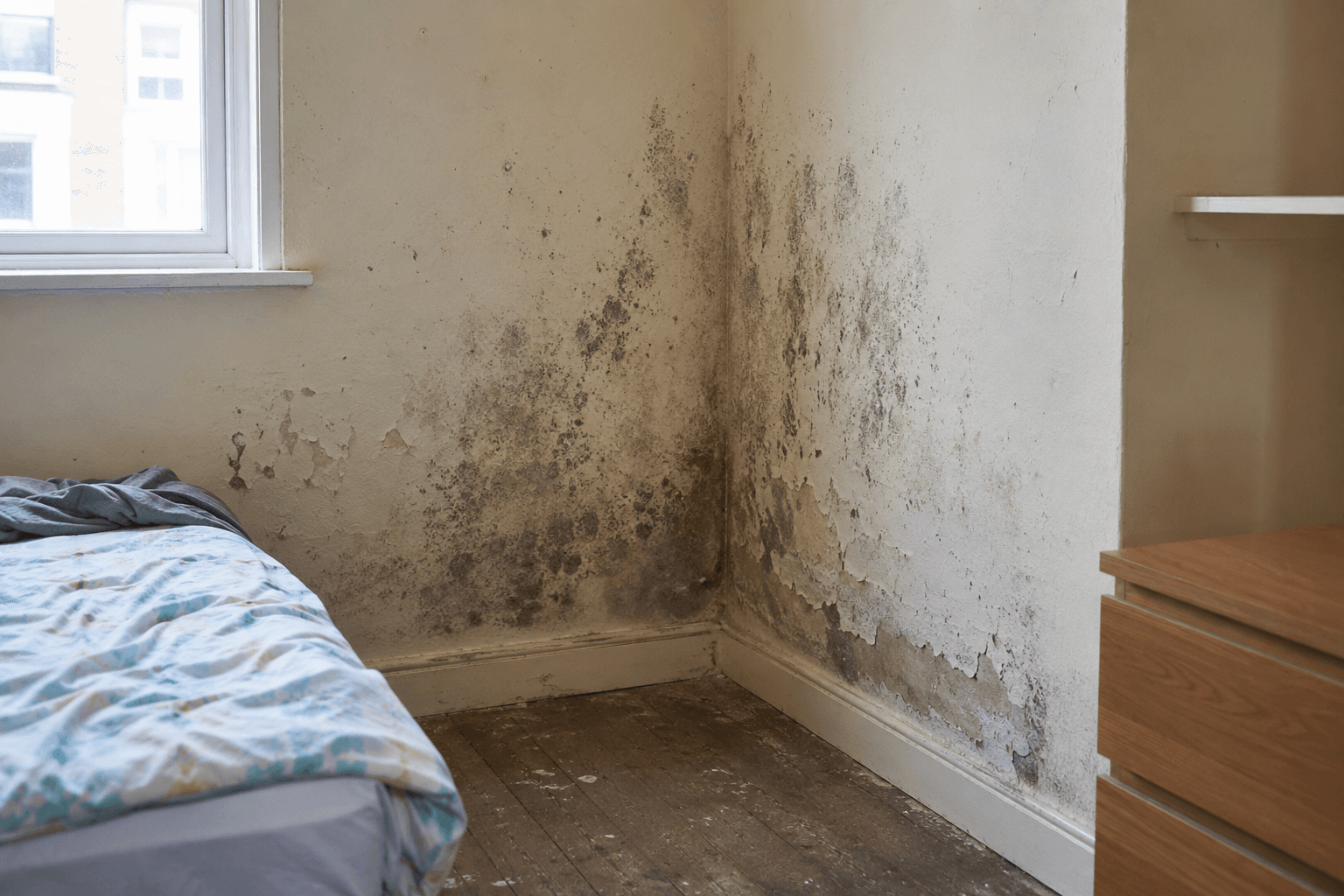
Social landlords in England have been working to strict legal deadlines for fixing damp, mould and other serious hazards since 27th October 2025. Private landlords are not yet covered by the same rules, but that is likely to change. A cross-party group of MPs has just called on the government to extend Awaab's Law to the private rented sector within 2026, and ministers have confirmed they intend to do exactly that, just without a date attached yet. Here is what is already law, what is being proposed, and what is worth doing now rather than waiting for the regulations to land.
What is Awaab's Law?
Awaab's Law is the name given to a set of statutory timeframes requiring landlords to investigate and fix hazards in a property within fixed periods, rather than at their own pace. It is named after Awaab Ishak, a two-year-old boy who died in 2020 after prolonged exposure to mould in his family's social housing in Rochdale. The law was introduced through the Social Housing (Regulation) Act 2023, and the first phase came into force for social landlords on 27th October 2025.
What must social landlords do right now?
The current phase covers all emergency hazards, plus damp and mould hazards that present a significant risk of harm. The timeframes are tight and specific:
- Emergency hazards: must be investigated and made safe within 24 hours of the landlord becoming aware of them.
- Significant hazards: must be investigated within 10 working days, with a written summary sent to the tenant within 3 working days of that investigation concluding.
- Safety works: must be completed within 5 working days of the investigation concluding, with any preventative work starting within the same window, or within 12 weeks where that is genuinely not practical.
The list of hazards covered is also set to grow. From 2026, the duty is due to extend to excess cold and heat, falls, structural collapse, explosions, fire and electrical hazards, and hygiene or sanitation risks. By 2027, it is expected to cover every hazard assessed under the Housing Health and Safety Rating System, or HHSRS, with the exception of overcrowding.
Is Awaab's Law coming to private rentals?
Not yet, but the legal groundwork is already in place. The Renters' Rights Act 2025 gives ministers the power to extend the same duty to private landlords letting under an assured tenancy. The government has been clear that it intends to use that power, stating it will consult on the detail, including the exact timescales, before setting a start date. As things stand, no consultation date, start date or set of private sector timeframes has been confirmed.
The pressure to move faster
That is where a recent report from the Housing, Communities and Local Government Committee comes in. Chaired by Florence Eshalomi MP, the committee's report urges the government to roll out Awaab's Law across the private rented sector within 2026, with full coverage of all hazard types by the end of 2028 or 2029. The committee also wants councils given proper funding and enforcement powers to back the new duty up, and a more ambitious private rented sector database that gives tenants real visibility of a landlord's track record.
A select committee report is a recommendation, not legislation. The government is not obliged to accept the 2026 timetable it proposes, and ministers have so far only committed to consulting in due course. Even so, it is a clear signal of the direction of travel, and worth treating as a reason to prepare rather than a reason to worry.
So when will it actually apply to me?
Honestly, nobody can give you a firm date yet, and it is worth being wary of anyone who claims otherwise. The government has committed to a consultation before it sets out timescales for the private rented sector, and that consultation has not yet opened. It is also worth keeping this separate in your mind from two other changes in the pipeline: the new private rented sector database, which is due to begin rolling out from late 2026, and the Decent Homes Standard, which the government has proposed applying to private rentals from 2035 or 2037. All three sit under the wider Renters' Rights Act reform programme, but each has its own separate timeline.
What landlords should do now
Waiting for a confirmed date before you act is not a great strategy, given how this usually goes. Getting ahead of it now costs little and protects you either way:
- Treat damp and mould reports as urgent. Even without a legal deadline yet, a slow response to a damp or mould complaint is the single biggest risk area, both reputationally and under existing housing conditions law.
- Keep a clear paper trail. Log when a repair issue is reported, when you investigated, and when it was resolved. If the private sector duty does land in 2026, you will already have the habits it requires.
- Know your HHSRS basics. The hazard categories that Awaab's Law will eventually cover are the same ones assessed under the existing Housing Act framework.
- Keep your other safety compliance current. Enforcement of a new duty tends to follow closely behind existing checks, so an up-to-date gas safety certificate and a sound EPC rating are worth having in order regardless.
Our guides to dealing with black mould, gas safety certificates and understanding the Housing Act cover the basics in more detail, and our wider landlord guide to the Renters' Rights Act rounds up everything else already in force.
What this means for tenants
If you rent privately and you are dealing with damp, mould or another hazard, Awaab's Law does not yet give you a legal deadline to hold your landlord to. You still have existing routes: you can report serious hazards to your council's environmental health team, who can assess the property under HHSRS and require the landlord to act, and in some cases you may have grounds for a disrepair claim. Keep your own records of when you reported an issue and what response you got. If the private sector duty does arrive, that history will matter.
The takeaway
Awaab's Law is not yet a private sector rule, but it is clearly on the way, and MPs want it sooner rather than later. Landlords who already treat hazard reports with urgency and keep good records will barely notice the day it becomes compulsory. If you would rather hand that responsibility to someone else entirely, our fully managed service keeps on top of repairs, safety compliance and tenant communication on your behalf, and our tenant find service can help if you are placing a new tenant and want the paperwork right from day one.
Posted by

Cooper
Chief Happiness Officer
Wednesday, 29 July 2026