
Resources
Buying your first home: what to expect at every stage
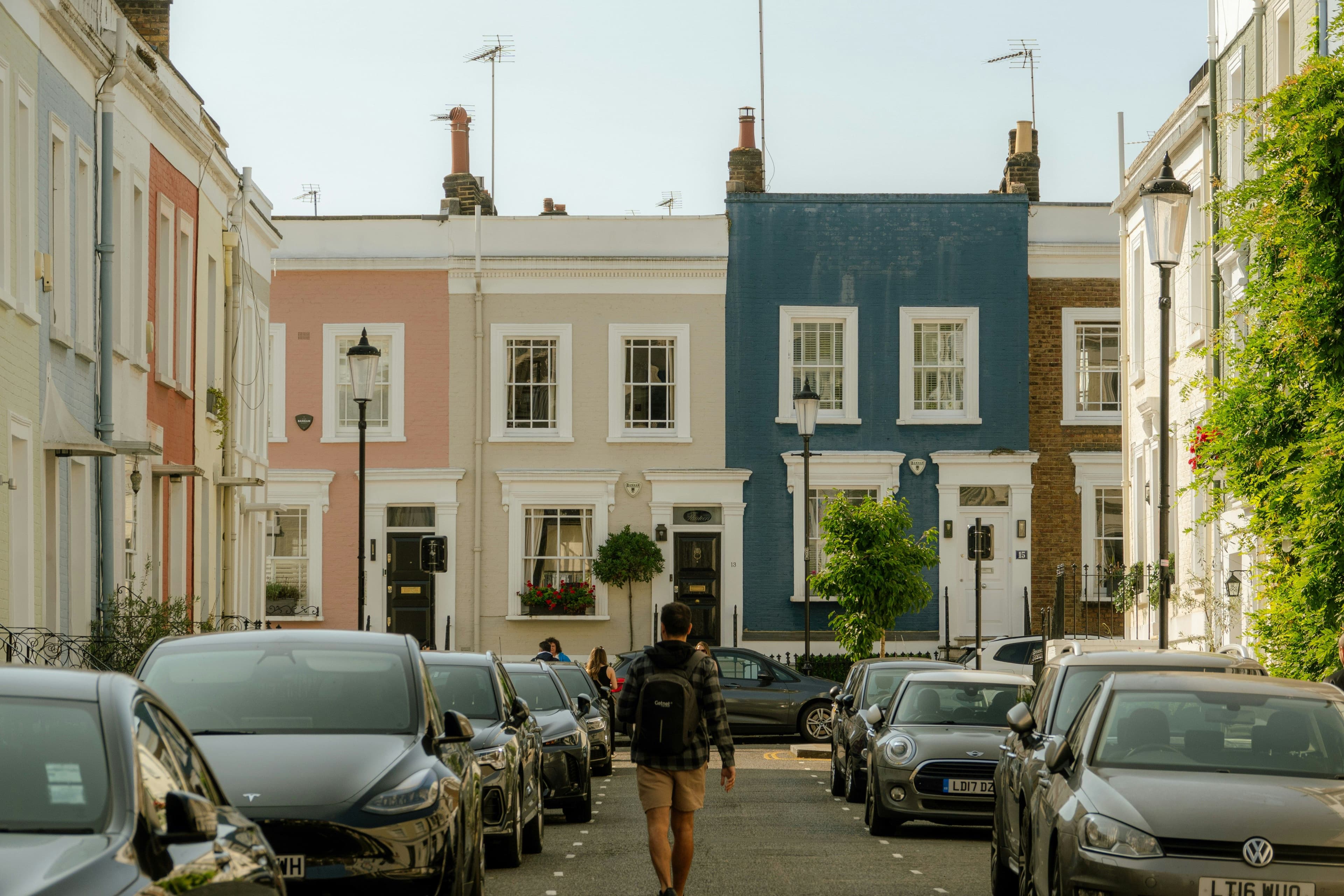
Getting on the property ladder is one of the most exciting, and nerve-racking, things most people ever do. The good news for 2026 is that conditions have shifted noticeably in buyers' favour: asking prices are easing, mortgage rates have been drifting down from their recent peaks, and a healthier level of stock means you have more choice than in the frantic market of a few years ago. If you have been saving and waiting for the right moment, it may finally be arriving. Here is what the buying process actually looks like, from first savings pot to final keys.
Step 1: work out what you can realistically afford
Before you fall in love with a property you cannot buy, get clear on your numbers. There are more costs involved than just the deposit.
Deposit: Most lenders require a minimum of 5% of the purchase price, though 10% or more usually unlocks better mortgage rates. On a £300,000 home, a 5% deposit is £15,000; a 10% deposit is £30,000.
Stamp duty: First-time buyers in England get relief on stamp duty, but the threshold changed on 1st April 2025. The nil-rate band for first-time buyers reverted to £300,000 (down from the temporary £425,000 limit that applied from 2022). That means:
- Up to £300,000: no stamp duty
- £300,001 to £500,000: 5% only on the portion above £300,000
- Above £500,000: no first-time buyer relief, standard rates apply in full
On a £350,000 purchase, for example, a first-time buyer now pays £2,500 in stamp duty. If you were planning your budget based on the old £425,000 threshold, this is worth rechecking.
Other costs to budget for: solicitor and conveyancing fees (typically £1,000 to £2,000 including searches), a survey (£400 to £1,500 depending on the type), mortgage arrangement fees (free on some products, up to £1,000 on others), and removals.
Step 2: make your savings work harder
If you have not already opened a Lifetime ISA (LISA), it is worth doing so as soon as possible. You can save up to £4,000 per year and the government adds a 25% bonus on top, giving you up to £1,000 in free money every tax year. The bonus is paid monthly and grows tax-free inside the account.
There are a few things to know:
- You must be aged 18 to 39 when you open the account.
- The LISA must have been open for at least 12 months before you can use the funds towards a property purchase.
- The property must cost no more than £450,000 and must be bought with a residential mortgage.
- Withdrawing the money for any other reason before age 60 triggers a 25% penalty, which effectively claws back the government bonus and then some.
One thing to watch: the government has confirmed that the LISA will be replaced by a new First-Time Buyer ISA from April 2028. The new account is expected to be open to buyers of any age and will remove the 25% withdrawal penalty. If you are some way off buying, it is still worth opening a LISA now to start the 12-month clock, but keep an eye on the replacement when it arrives.
Step 3: get a mortgage in principle
Before you start viewing properties in earnest, get a decision in principle (DIP) from a lender. This is a conditional indication of how much they would be willing to lend you, based on a soft credit check. It does not commit you to anything, but estate agents will take your offers more seriously with one in hand.
Consider speaking to a whole-of-market mortgage broker before going directly to a bank. A broker compares products across dozens of lenders and is typically paid by commission from the lender rather than by you. With rates still moving, their advice on whether to fix and for how long can be genuinely valuable. Note that most decisions in principle last 60 to 90 days, so try not to get one too far in advance of your search.
Step 4: instruct a solicitor before you find a property
Most first-time buyers wait until an offer is accepted to appoint a solicitor, which then costs them weeks. Appoint one before you start viewing seriously. Ask for a full quote upfront covering their fees, VAT and disbursements (the searches and other third-party costs). Also confirm they are on your chosen lender's approved panel, otherwise you may need to switch once you have a mortgage offer.
Step 5: find your property and make an offer
Search the major portals, register with local agents, and be honest with yourself about what matters most. When you find a property you want, do a bit of homework before offering:
- How long has it been on the market and has the price been reduced?
- What is the seller's situation? Do they need to find onward? Are they in a chain?
- Are there any obvious issues visible at the viewing that might affect your offer?
Offers in England are made verbally or in writing and are not legally binding until exchange of contracts, so nothing is final until that point. It is perfectly normal to offer below the asking price, particularly in a market where stock levels are higher and buyers have more options. A seller with a clean chain and a willing buyer may well accept a sensible offer.
Step 6: survey and conveyancing
Once your offer is accepted, two things happen in parallel: your lender carries out a valuation, and your solicitor begins conveyancing.
The lender's valuation simply confirms the property is worth what they are lending against. It is not a structural report and it is not enough on its own. Always instruct your own survey. The main options are:
Homebuyer's report: good for most modern or standard properties; highlights significant issues without going into granular detail. Typically £400 to £700.
Full structural survey: recommended for older, unusual or potentially problematic properties. A more thorough inspection that covers the structure in detail. Typically £800 to £1,500.
On the conveyancing side, your solicitor reviews the title deeds, raises enquiries with the seller's solicitor, and orders searches covering local authority records, drainage, water supply and environmental matters. They report the results to you and flag anything that needs addressing before you proceed.
Step 7: exchange and completion
Exchange of contracts is the moment the sale becomes legally binding for both sides. Both parties sign identical copies of the contract, a completion date is agreed, and you pay your deposit (usually 10% of the purchase price) to your solicitor, who holds it on your behalf.
On completion day, the remaining funds are transferred from your lender to the seller, the keys are released and the property is yours. The time from offer to completion typically runs to 10 to 16 weeks, though this varies depending on the complexity of the chain and how quickly each party's solicitor works.
Common first-time buyer slip-ups
- Underestimating the costs beyond the deposit, especially stamp duty and legal fees
- Not appointing a solicitor until after the offer is accepted, which delays the start of conveyancing
- Relying on the lender's valuation instead of paying for an independent survey
- Letting a mortgage in principle expire before finding a property (most last 60 to 90 days)
- Not asking the seller's agent about the chain situation before making an offer
Ready to take the next step?
If you are buying your first home and the person selling to you needs a straightforward, cost-effective way to sell, point them in the direction of Moovehub. Our flat-fee selling service gets homes listed on Rightmove and Zoopla for a fraction of what a traditional agent charges: moovehub.co.uk/sell.
Posted by

Bailey
Senior Treats Analyst
Monday, 29 June 2026